
A 6-day in-person training in Ayurvedic energy points for healing, balance, and transformation.
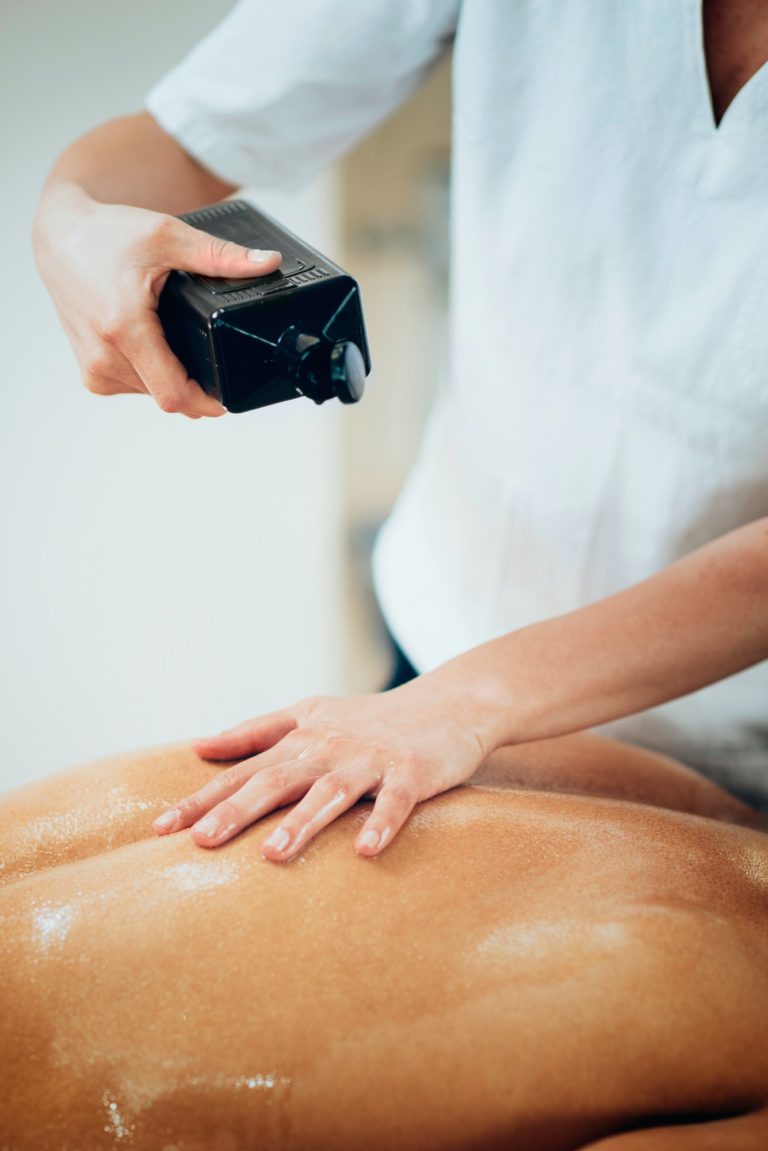
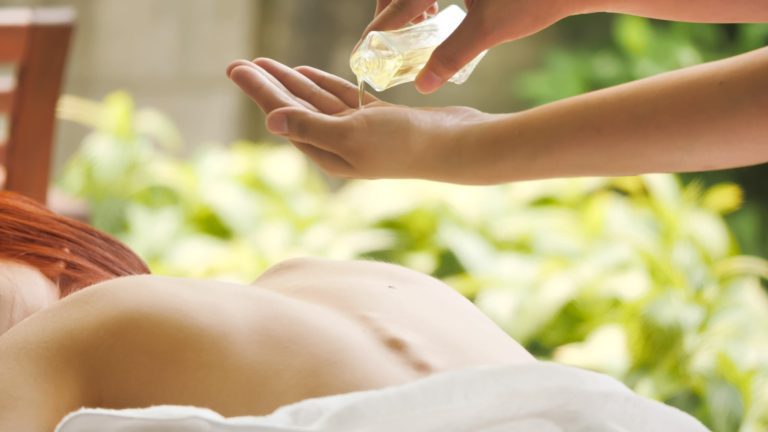
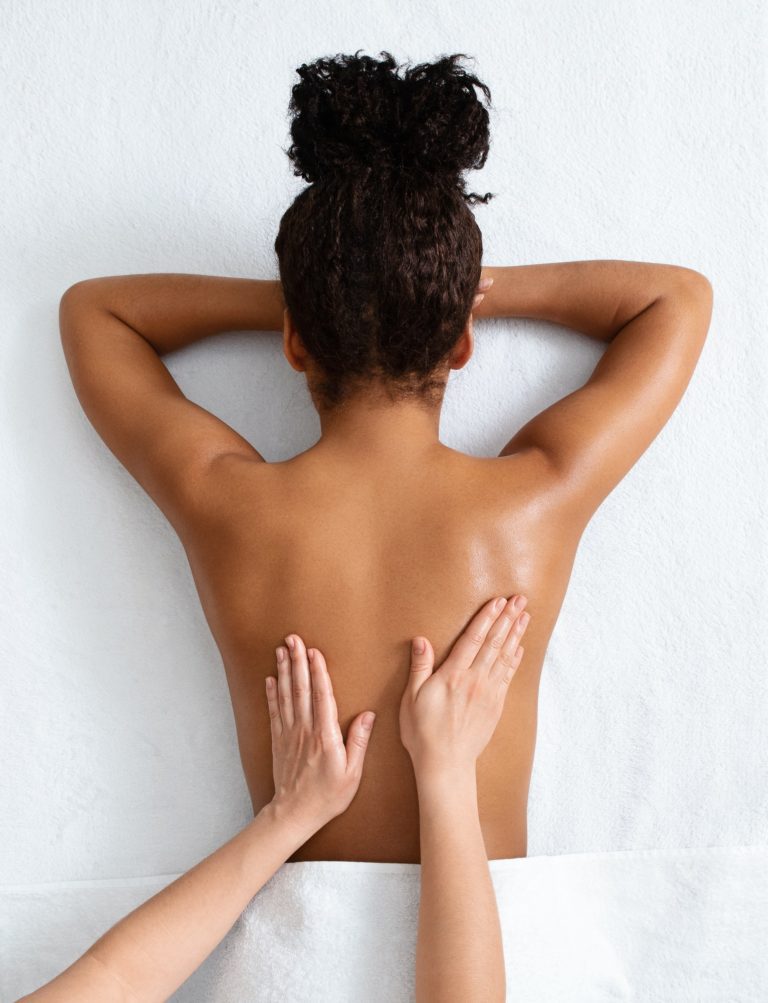
Ayurvedic massage uses the 5,000-year-old Indian principles of Ayurveda -the science and practice of life–and pressure points. This massage helps restore the balance between the mind, body and spirit and aid in healing.
This massage is sometimes called “oil massaging” as it uses warm herbs, essential oils and time-honoured, non-traditional strokes and movements tailored to each person’s needs
Unlock the power of Marma — the vital energy points of Ayurveda.
In this 6-day in-person training, you’ll learn how to locate and activate the 107 Marmas, restoring balance to the body, mind, and spirit. Guided by Ildy, this course combines Ayurveda theory with hands-on practice, giving you tools to support healing and deepen your holistic practice.
Perfect for yoga teachers, holistic therapists, massage practitioners, or anyone drawn to the wisdom of Ayurveda.
Each person inherits a unique combination of all three doshas. However, one is more dominant.
Ayurvedic principles balance the doshas to regulate one’s emotional and physical health
The history and science of Marma therapy
The 107 classical Marma points and their functions
How Marmas relate to Doshas, Dhatus, Nadis, and Chakras
Safe and effective techniques using fingers, hands, and tools
Protocols for balancing stress, fatigue, pain, and emotional imbalances
How to structure a full Marma therapy session
Client consultation, ethics, and professional practice
Six-Day Marma Therapy Course
Rooted in classical Ayurvedic principles and the philosophy of Marma
Clear understanding of Prana, Doshas, Dhatus, and Srotas
Study of key Marma points with accurate palpation skills
Safe, precise hands-on techniques: pressure, direction, and duration
Marma protocols for anxiety, fatigue, back pain, and menstrual health
Use of appropriate oils and therapeutic tools
Professional client consultation, ethics, and consent
Structuring and delivering a full Marma therapy session
Guided practice, peer feedback, and case studies
Final practical assessment and certification
Preparation for integrating Marma into yoga, bodywork, or Ayurvedic practice
Marma points are the vital energy points of Ayurveda — junctions in the body where muscles, veins, ligaments, bones, and joints meet. They are considered gateways to prana (life force energy) and play a key role in maintaining health, vitality, and emotional balance.
There are 107 classical Marma points described in the Ayurvedic texts, spread throughout the body — from the head and chest to the arms, legs, and feet. Each Marma is connected not only to physical tissues but also to the subtle body, influencing the flow of prana through the nadis (energy channels) and resonating with the chakras (energy centres).
Working with Marma points is like pressing “reset buttons” in the body:
Physically, they help release tension, reduce pain, and improve circulation.
Energetically, they restore balance to the doshas (Vata, Pitta, Kapha) and clear blockages in prana.
Emotionally, they help dissolve stress, anxiety, and stored trauma.
Spiritually, they can awaken deeper states of awareness and connection to self.
Marma therapy uses gentle touch, pressure, massage, or sometimes oils and herbal applications to stimulate or calm specific points. When approached with awareness and respect, Marma work can bring about profound healing — not just treating symptoms, but harmonising the whole person.
In this training, you’ll not only learn where the Marmas are located, but also how to activate them safely and effectively, understanding the deeper philosophy behind each point.
The 107 classical Marmas are spread across the body and grouped according to their location and the structures they influence. Each has its own qualities, depth, and effect.
These include points on the scalp, temples, eyes, ears, nose, and throat.
Shira Marmas (head): Connect to the brain and nervous system; vital for clarity, memory, and mental health.
Nayana Marmas (eyes): Affect vision and also the “inner vision” of intuition.
Karna Marmas (ears): Balance hearing and equilibrium; linked to inner stillness.
Kantha Marmas (throat): Support speech, expression, thyroid function, and creativity.
Hridaya (heart centre): Governs the physical heart and circulation but also the emotional centre of love, compassion, and courage.
Stana Marmas (chest points): Linked to the lungs, breath, and vital life force.
These points are central for calming anxiety, balancing emotions, and supporting respiratory health.
Nabhi (navel): The core Marma point — seat of digestion, energy, and vitality.
Basti (bladder region): Governs elimination, lower back health, and grounding.
These points connect to digestion, reproductive health, and deep vitality.
Running along the spine, these Marmas link to the central nervous system and chakras.
Kati Marmas (lower back): Vital for movement, flexibility, and lower body strength.
Prushtha Marmas (upper back): Relieve tension, support lungs, and open the heart.
Found in the shoulders, elbows, wrists, and hands.
Kakshadhara (shoulder): Releases stress and supports circulation to the arms.
Manibandha (wrist): Connects to creativity and manual skills.
Talahridaya (centre of palm): A powerful point connected to the heart and energy flow.
Located in the hips, knees, ankles, and feet.
Janu Marmas (knees): Essential for mobility and stability.
Gulpha Marmas (ankles): Support balance and grounding.
Kshipra (between big toe and second toe): Known as a quick-acting energy point; stimulates prana flow.
Talahridaya (centre of foot): A vital point for grounding, circulation, and calming the mind.
Vitality & Longevity: Protecting and stimulating Marmas preserves life force.
Holistic Health: They connect body, mind, and consciousness.
Therapeutic Touch: Gentle activation restores harmony in the whole system.
Spiritual Gateway: Many Marmas link to chakras, opening deeper awareness.
On successful completion, you’ll receive a:
Certificate of Completion – Marma Therapy Practitioner Training (18 hours).
This certificate enables you to gain insurance (through IPHM/IICT or similar) and begin offering Marma therapy professionally.
This training is open to:
Yoga teachers
Massage and holistic therapists
Energy healers
Ayurveda enthusiasts
Anyone wanting to learn therapeutic touch and Ayurvedic healing
Dates:
Friday, 17 July – 1:00 – 6:00pm
Friday, 24 July – 1:00 – 6:00pm
Location: Lea Village Hall, Ross-on-Wye, Herefordshire
Investment: £699 (Early Bird: £499 if booked before 31 March
Group Size: Limited to 6 participants for personalised attention
6 days of expert training
Printed training manual with charts + protocols
Practice and assessment with peer feedback
Certificate of Completion
Herbal teas + refreshments (lunch not included)
Tell us a little about yourself and what you’re interested in, and we’ll get back to you.
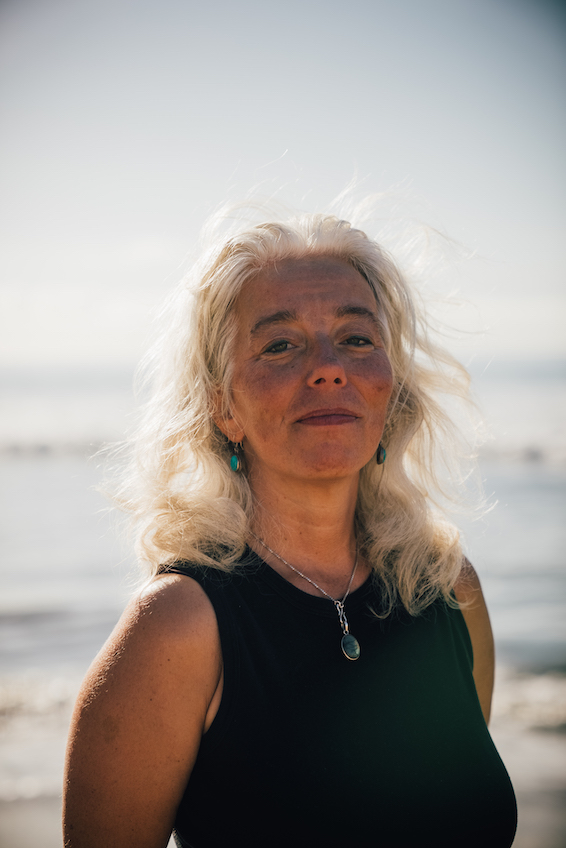
Ildy started her healing journey right at the birth of Ayurveda, in India. She was fascinated by this old knowledge, and how much it is relevant to our everyday life thousands of years later.
She later discovered that Ayurveda and Yoga go hands in hands and are practised together.
She has been told by many clients that she has magic in her hands and that each treatment is done profoundly from her heart, connected to the individual. She heals not just by her hands but by her presence, her listening and she even heals by her silence. It is healing just to be in her presence.
Previously a black belt in Karate, Ildy discovered yoga in 2000 whilst travelling in India and spending 1 month in an ashram. She developed her own practice for a decade before returning for another course to become a yoga teacher. She decided that it was her purpose in life: to live and teach yoga. Having gone through the process of bringing traditional yoga into western classes, she has experience in what it’s like to be a new teacher and will help you avoid the common pitfalls that many make.
She is a very intuitive teacher to guide people from the heart something that is hard to explain as it needs to be experienced. Whether you are an absolute beginner or having been practising for many years, she is able to create an environment where both simultaneously feel looked after and challenged.
“Yoga is an integral part of my life and I strive to continually learn. I teach from the heart, It is an honour to share this ancient science and art with others”